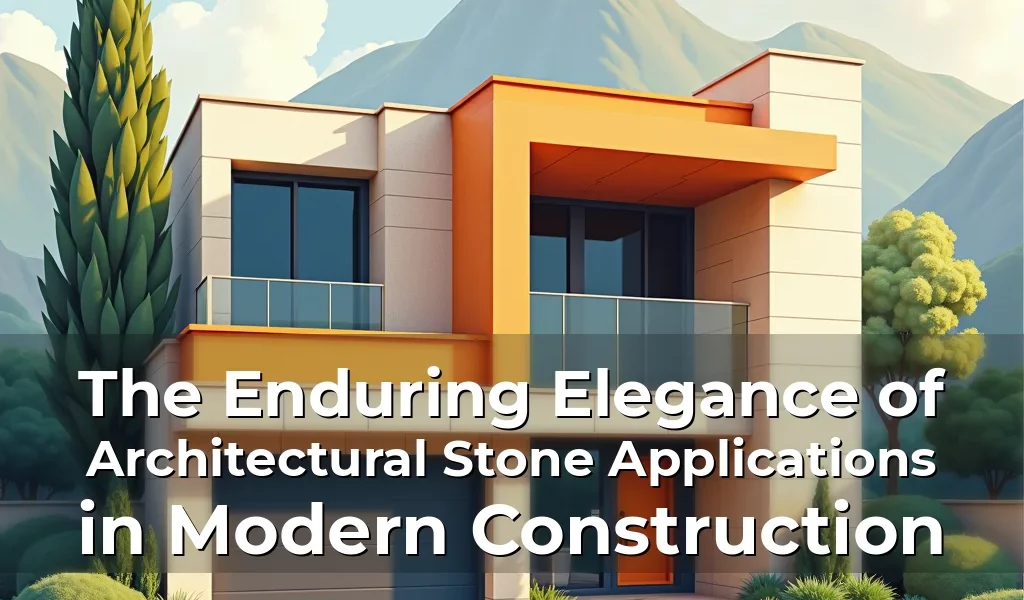
The Enduring Elegance of Architectural Stone Applications in Modern Construction
In an era where sustainability meets sophistication, architectural stone applications have emerged as a cornerstone of contemporary design. From towering skyscrapers to intimate residential spaces, stone continues to define aesthetics while offering unmatched durability.
This exploration delves into how natural and engineered stones are transforming modern construction through innovative applications that blend functionality with timeless beauty.
Evolving Roles of Natural Stone in Contemporary Architecture
Natural stone has transcended its traditional role as mere building material by becoming a central element in architectural expression. Its inherent textures, colors, and patterns provide a canvas for creative innovation across various structures.
Modern architects leverage the versatility of natural stone to create dynamic facades that respond to environmental conditions while maintaining visual appeal. This adaptability makes it suitable for both interior and exterior applications.
The increasing demand for sustainable materials has elevated natural stone’s status in green architecture. Quarrying techniques now prioritize minimal ecological impact, aligning with global environmental standards.
Engineered stone composites offer enhanced performance characteristics without compromising aesthetic value. These innovations allow designers greater flexibility in achieving desired outcomes.
- Variety of Options: Available in numerous types including granite, limestone, marble, slate, sandstone, travertine, and quartzite each offering distinct properties and appearances.
- Durability: Naturally resistant to weathering and abrasion making them ideal for high-traffic areas and outdoor installations.
- Aesthetic Versatility: Can be polished, honed, tumbled, flamed, or textured to achieve diverse finishes tailored to specific design requirements.
- Thermal Properties: Excellent insulation capabilities help regulate indoor temperatures reducing energy consumption for heating and cooling systems.
Architectural Innovations Redefining Stone Usage
Pioneering projects worldwide showcase how cutting-edge technology is expanding the possibilities of stone application in architecture. Digital fabrication methods enable precise shaping and customization previously unattainable with conventional techniques.
Sustainable construction practices integrate recycled aggregates within new stone products creating eco-friendly alternatives without sacrificing quality or appearance. These advancements address growing concerns over resource depletion.
Smart surface treatments enhance stone’s resistance to staining, fading, and microbial growth ensuring long-term maintenance efficiency. Such features make it particularly advantageous for commercial buildings requiring frequent cleaning.
Structural engineering breakthroughs permit thinner slabs and lighter components allowing for creative designs that were once structurally impractical. This opens avenues for intricate detailing and complex geometries.
Case Study: The Louvre Abu Dhabi
The iconic dome structure at the Louvre Abu Dhabi exemplifies groundbreaking use of stone in modern architecture. Comprising 8,000 individual stars arranged in a geometric pattern, the dome creates mesmerizing light effects during different times of day.
Marble from Italy was selected specifically for its ability to withstand extreme desert climates while maintaining optical clarity. The choice reflects careful consideration of both functional needs and artistic vision.
Advanced computer modeling ensured perfect alignment of each star-shaped component despite their varying sizes and angles. This level of precision would have been nearly impossible using manual craftsmanship alone.
The project required developing specialized installation techniques to assemble such a massive yet delicate structure safely. Engineers devised custom cradling systems that minimized stress points during assembly.
Interior Design Transformations Through Stone Application
Stone plays a pivotal role in redefining interior spaces by combining practicality with visual splendor. Its presence can dramatically alter room ambiance depending on chosen finish, color palette, and placement strategy.
High-end residences often feature full-wall stone cladding extending from floors up to ceilings creating seamless continuity between horizontal and vertical planes.
Kitchens benefit immensely from stone countertops which not only add elegance but also resist heat, scratches, and stains better than most synthetic surfaces available today.
Bathrooms gain sophistication through strategically placed stone elements such as vanities, shower surrounds, and flooring that contribute to overall spa-like experiences.
Commercial Spaces Enhancing Brand Identity With Stone Elements
Retail environments increasingly utilize stone to communicate brand values effectively. Luxury boutiques might opt for rich marbles conveying exclusivity whereas casual cafes could choose rustic granites suggesting approachability.
Hospitality sectors capitalize on stone’s calming influence by incorporating it into lobbies, reception areas, and dining zones enhancing guest comfort and perceived value.
Office interiors benefit from stone partitions and accent walls that distinguish workspaces while promoting professional ambiance. Textured options add tactile interest improving spatial dynamics.
Cultural institutions employ stone in grand entryways and atriums reinforcing themes of permanence and tradition associated with museums and galleries.
Landscaping Solutions Incorporating Architectural Stone
Outdoor living spaces transform dramatically with thoughtful integration of architectural stone. Patios, walkways, retaining walls, and water features become focal points defining property character.
Custom-cut pavers allow for creative pattern layouts adding visual rhythm to hardscapes. Combination with native vegetation enhances landscape cohesion naturally.
Water management solutions include permeable stone pathways that reduce runoff and promote groundwater recharge addressing urban drainage challenges.
Garden rooms and courtyards take advantage of stone’s thermal mass to maintain comfortable microclimates even in fluctuating weather conditions.
Maintenance Considerations for Long-Term Performance
Proper upkeep ensures longevity of stone installations regardless of location or usage type. Regular inspections help identify early signs of wear or damage before they escalate into costly repairs.
Sealing procedures vary depending on stone type and exposure levels. Some varieties require annual protection against moisture absorption while others need less frequent treatment.
Cleaning protocols must avoid harsh chemicals that could degrade surface integrity over time. Mild soap and water generally suffice unless specific stain removal techniques apply.
Professional restoration services may be necessary when dealing with deep etching or structural issues beyond basic maintenance scope. Timely intervention prevents further deterioration.
Futuristic Trends Shaping Next Generation Stone Applications
Ongoing research explores bioengineered stones integrating self-cleaning properties derived from natural processes observed in plant life. These developments promise reduced maintenance demands for future constructions.
Photovoltaic enhancements embedded within stone surfaces represent exciting frontiers enabling buildings to generate renewable energy seamlessly integrated into façade design.
Adaptive materials capable of changing color or texture based on environmental stimuli open new dimensions in interactive architecture. Such responsive surfaces redefine what constitutes static building elements.
Data-driven approaches optimize quarry operations minimizing waste generation while maximizing yield from raw stone deposits contributing positively to industry sustainability goals.
Conclusion
From ancient civilizations to futuristic cities, architectural stone applications continue evolving alongside human progress. Their enduring relevance lies in balancing form with function across generations of built environments.
As we advance technologically, embracing these versatile materials means investing in durable, beautiful, and environmentally conscious infrastructure for present and future communities alike.

news is a contributor at StoneArmor. We are committed to providing well-researched, accurate, and valuable content to our readers.
You May Also Like
About the Author
news
Elevating Durability and Aesthetics: Advanced Techniques in Stone Surface Treatments
Sustainable Stone Sourcing: Professional Insights and Tips
Related Articles
The Enduring Elegance of Architectural Stone Applications in Modern Design
The Enduring Elegance of Architectural Stone Applications in Modern Design In an era where sustainability…
Read MoreThe Enduring Legacy of Architectural Stone Applications in Modern Design
The Enduring Legacy of Architectural Stone Applications in Modern Design From the towering spires of…
Read More