
The Art and Science of Stone Cleaning: Advanced Techniques for Preserving Natural Beauty
In an era where natural stone surfaces adorn everything from residential interiors to grand architectural landmarks, maintaining their pristine condition is both an art form and a science. Whether you’re preserving ancient marble facades or caring for modern granite countertops, mastering effective stone cleaning techniques ensures longevity while enhancing aesthetic appeal.
This comprehensive guide delves beyond basic maintenance routines to explore specialized methods that protect against environmental degradation, staining, and structural damage. From pH-sensitive cleaning solutions to cutting-edge restoration technologies, we’ll examine how professionals preserve stone’s inherent beauty through scientifically sound practices.
Fundamental Principles of Stone Chemistry
Understanding the chemical composition of different stone types forms the foundation of any successful cleaning strategy. Natural stones such as limestone, sandstone, travertine, and slate have distinct mineral structures that determine their reactivity to various cleaning agents.
Limestone, primarily composed of calcium carbonate, reacts strongly with acidic substances. This makes it particularly vulnerable to etching when exposed to common household cleaners containing citric acid or vinegar. In contrast, granite – mainly quartz and feldspar minerals – exhibits greater resistance to most acids but remains susceptible to certain alkaline-based products.
- pH balance: Maintaining neutral or slightly alkaline cleaning solutions prevents surface erosion and color fading in sensitive stone varieties
- Porosity levels: Highly porous stones require sealants to prevent deep penetration of contaminants that can cause permanent discoloration
A thorough knowledge of these principles allows caregivers to select appropriate cleaning protocols tailored specifically to each type of stone material. Professional stone care technicians often conduct initial assessments using pH testing kits before initiating any cleaning process.
Eco-Friendly Cleaning Solutions
Environmental consciousness has significantly influenced modern stone maintenance approaches. Eco-friendly alternatives now provide viable options without compromising effectiveness or damaging delicate stone surfaces.
Baking soda, a mild abrasive with inherent buffering properties, serves as an excellent substitute for harsh chemical cleaners. When combined with water, it creates a gentle yet effective paste that removes light stains without stripping protective sealers from the stone surface.
Vinegar, though commonly used in households, requires careful application due to its acidic nature. Diluted white vinegar mixed with warm water works well for spot cleaning non-porous stones like polished granite but must be avoided entirely on calcareous materials such as limestone or marble.
Sustainable Practices in Commercial Settings
Commercial facilities managing large stone installations benefit greatly from implementing sustainable cleaning programs. Studies show that adopting green cleaning protocols reduces long-term maintenance costs by up to 30% while minimizing health risks associated with traditional chemical cleaners.
For instance, many luxury hotels now employ microfiber mopping systems paired with biodegradable detergents to clean expansive marble floors efficiently. These systems reduce water consumption by over 50% compared to conventional wet-cleaning methods.
Advanced Stain Removal Techniques
Tackling stubborn stains demands targeted approaches rather than general-purpose cleaners. Different stain types – including oil-based, tannin, rust, and efflorescence – require specific treatment methodologies to avoid causing further damage.
Oily kitchen spills on stone countertops demand immediate action using absorbent powders like cornstarch or baking soda. Allowing these substances to sit for several hours helps draw out the oils before wiping away the residue with a damp cloth.
- Rust stains: Oxalic acid solutions prove highly effective for removing iron-based discolorations but must be applied carefully to prevent surface etching
- Tannin stains: Tea or coffee marks respond best to hydrogen peroxide treatments followed by thorough rinsing with distilled water
Professionals often utilize poultice techniques involving activated charcoal or diatomaceous earth mixed with appropriate solvents. This method enables deeper penetration into pores without risking surface abrasion during removal processes.
Sealing and Protective Treatments
Proper sealing plays a crucial role in extending the lifespan of natural stone surfaces. Sealants create barriers that repel liquids and prevent them from penetrating deep into the stone structure where they could cause lasting damage.
The choice between topical sealers and impregnating sealers depends largely on the stone’s porosity level and intended usage environment. Topical sealers form a film on the surface, whereas impregnating sealers penetrate into microscopic pores without altering the stone’s appearance.
Regular maintenance involves checking sealer integrity using simple tests like applying water droplets to test absorption rates. If water beads up and rolls off easily, the sealer remains intact; however, if it quickly absorbs into the stone, reapplication becomes necessary.
Mechanical Cleaning Methods
While chemical treatments address contamination at molecular levels, mechanical cleaning methods physically remove dirt and debris from stone surfaces. The selection of tools and equipment depends heavily on the stone’s hardness and susceptibility to scratches.
Soft-bristled brushes made from natural fibers are ideal for delicate surfaces like unpolished sandstone. For harder stones such as granite, stainless steel scrubbers offer superior cleaning efficiency without leaving behind metallic residues.
- Dry ice blasting: An innovative technique using frozen carbon dioxide pellets to dislodge grime without damaging stone surfaces or requiring subsequent rinsing
- Steam cleaning: High-pressure steam effectively loosens embedded dirt particles while simultaneously sanitizing the surface without introducing harmful chemicals
Professional restorers frequently combine multiple mechanical methods with precise chemical applications to achieve optimal results. Careful calibration of pressure settings ensures minimal risk of surface abrasions even during aggressive cleaning sessions.
Restoration vs Maintenance: Understanding the Difference
Maintaining regular cleaning schedules prevents minor issues from escalating into costly repairs. However, understanding when professional restoration becomes necessary distinguishes routine upkeep from full-scale rehabilitation efforts.
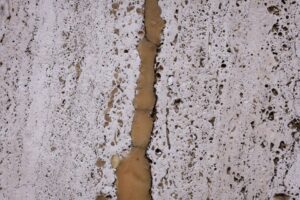
Signs indicating potential need for restoration include persistent staining resistant to standard cleaning procedures, noticeable pitting or erosion patterns, and significant loss of luster despite consistent maintenance routines. These symptoms suggest underlying structural damage rather than superficial soiling.
Restoration specialists employ diamond polishing compounds and honing tools to rehabilitate damaged areas while matching surrounding textures seamlessly. This meticulous work requires extensive training and experience to ensure uniformity across entire stone surfaces.
Emerging Technologies in Stone Preservation
Recent advancements in nanotechnology have introduced new possibilities for stone preservation. Nano-coatings now offer enhanced protection against moisture ingress while maintaining breathability essential for preventing trapped condensation within stone pores.
Smart sensors integrated into high-end building materials can monitor humidity levels around stone elements, triggering automated responses to mitigate conditions conducive to mold growth or salt crystallization damage. These innovations represent the future direction of intelligent stone conservation strategies.
Research institutions continue developing self-healing coatings capable of repairing minor cracks autonomously through microcapsules containing healing agents dispersed throughout the coating matrix. Such breakthroughs promise revolutionary changes in long-term stone maintenance practices.
Special Considerations for Outdoor Stones
Exposure to outdoor elements presents unique challenges for stone preservation. UV radiation, temperature fluctuations, and biological growth all contribute to accelerated weathering effects compared to indoor environments.
Prioritizing sacrificial layers – thin protective films designed to degrade over time instead of bonding permanently to the stone surface – proves beneficial for exterior applications. These temporary protections allow periodic renewal without affecting original stone characteristics.
- Biocides: Selective microbial inhibitors help control algae and moss growth without harming native plant life in landscaped areas
- Hydrophobic treatments: Water-repellent finishes minimize moisture retention which can lead to freeze-thaw cycles damaging stone integrity
Seasonal maintenance schedules become critical for outdoor installations. Springtime inspections focus on eliminating winter buildup while autumn preparations emphasize protecting against freezing temperatures that may expand existing fissures.
Case Study: Historic Stone Restoration Projects
An examination of recent historic preservation projects reveals valuable lessons about effective stone cleaning methodologies. One notable example involved the restoration of the Lincoln Memorial in Washington D.C., where specialized teams employed laser ablation techniques to remove decades-old graffiti without touching the original marble surfaces.
Similar approaches were utilized during the renovation of Florence Cathedral’s iconic red-tiled dome. Conservators used low-pressure water jets combined with mild detergent solutions to safely eliminate centuries of accumulated grime while preserving intricate stonework details.
These case studies underscore the importance of tailoring cleaning methods precisely to each site’s specific needs. What works successfully on one landmark might prove unsuitable for another due to differences in stone composition, historical significance, or environmental exposure factors.
Conclusion
Mastering stone cleaning techniques requires balancing scientific knowledge with practical skills to maintain both functionality and visual appeal of natural stone surfaces. As demonstrated throughout this exploration, success hinges upon understanding fundamental chemistry principles alongside emerging technological developments.
Whether you’re responsible for preserving heritage buildings or simply maintaining your home’s stone features, adopting informed cleaning practices guarantees enduring beauty while safeguarding investments in quality natural stone materials. Regular inspection routines complemented by timely interventions remain key components of any effective preservation strategy.

news is a contributor at StoneArmor. We are committed to providing well-researched, accurate, and valuable content to our readers.
You May Also Like
About the Author
news
Understanding What Makes Quartz Countertops Unique
Related Articles
The Art and Science of Stone Cleaning Techniques: Preserving Natural Beauty Through Expert Care
The Art and Science of Stone Cleaning Techniques: Preserving Natural Beauty Through Expert Care In…
Read MoreThe Art and Science of Stone Cleaning Techniques: Preserving Natural Beauty Through Expert Care
The Art and Science of Stone Cleaning Techniques: Preserving Natural Beauty Through Expert Care In…
Read More